

Is True Religion Still Worth It in 2026? A Deep Dive Into Denim Quality, Fit & Pricing
Home » Posts » Fashion » Is True Religion Still Worth It in 2026? A Deep Dive Into Denim Quality, Fit & Pricing
This post contains affiliate links, which means we may receive commission if you click on links to products or services and make a purchase. This comes at no additional cost to you. Thankyou!
Brand Origin: How True Religion Built Its Denim Identity
True Religion, established in 2002 in Los Angeles, California, became a brand in the era when premium denim has transformed from utilitarian items into fashion objects.
The founders of the company, Jeff Lubell and Kym Gold, have intended to introduce innovation into the American jeans market by producing unique garments featuring meticulous stitching, excessive detailing, and distinct shaping.
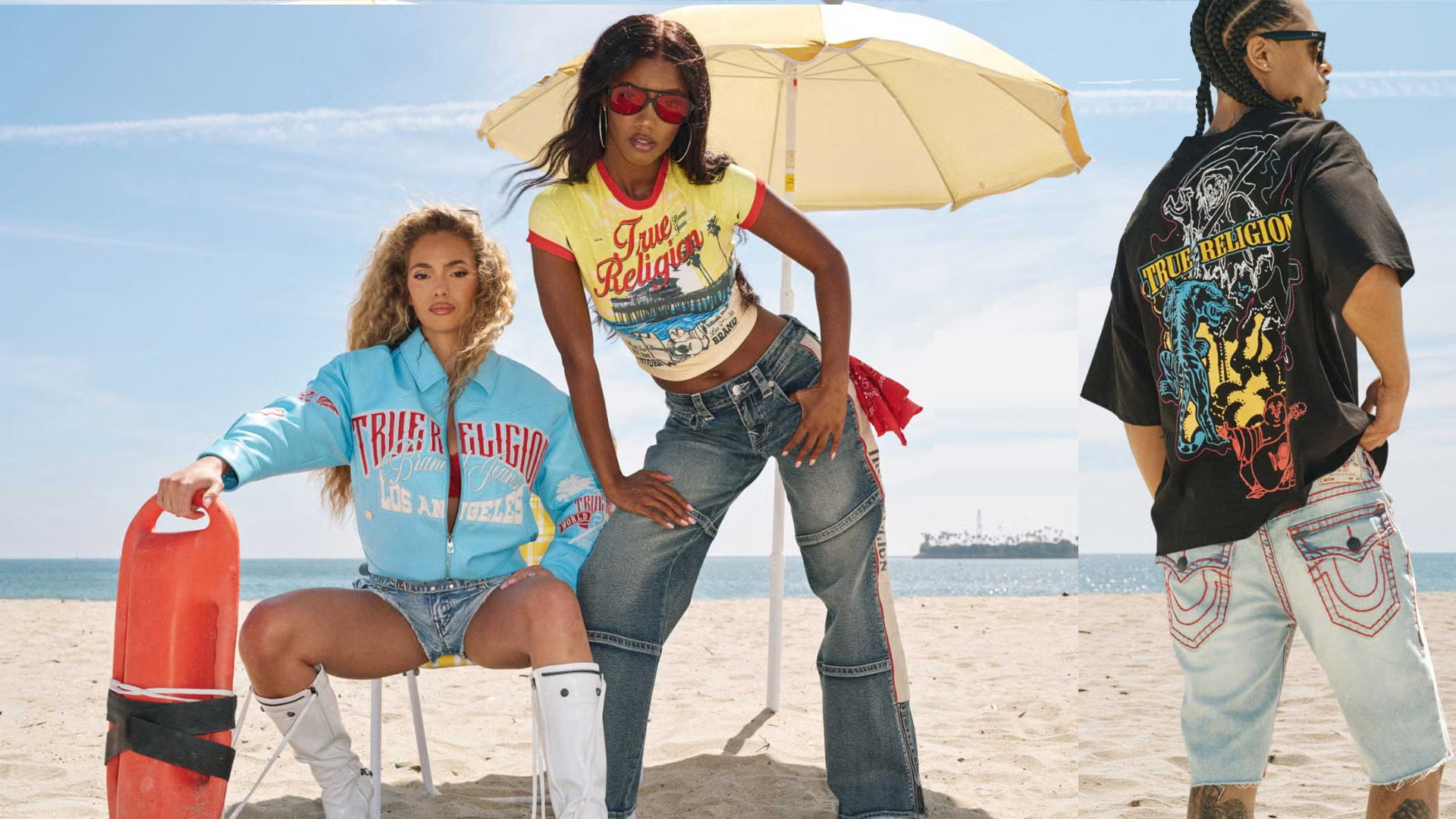
In contrast to its rivals, True Religion has opted for the visual appeal of the products instead of maintaining simplicity; therefore, the uniqueness of stitching marked as “Super T,” broad seamlines, and special curvy shape of the back pocket became competitive advantages for the company.
Throughout the vast majority of the early 2000s, True Religion has accomplished remarkable success and gained popularity becoming an essential part of both Hollywood and hip-hop fashion.
Nevertheless, since the second half of the last decade, because of growing interest in minimalist designs and slender models, the brand faced significant difficulties.
It will be interesting to examine in 2026 whether True Religion managed to adapt to innovations or simply enjoyed its success for too long.
Highlights:
True Religion is currently all about style identity rather than buzz and is now characterized by the following factors:
- Super T stitching and flap pocket details
- Extensive focus on curves, baggy, and relaxed styles
- Presence in lounge denim and streetwear denim ranges
- Use of premium blends with stretch properties in several garments
- Unique appearance that sets it apart from its rivals
Unlike other brands who have switched to subtle luxury, True Religion opts for visible quality and craftsmanship.
✓ Pros
- Strong brand identity and recognition
- Unique stitching and design language
- Excellent fit variety (baggy, curvy, bootcut)
- Durable denim construction in core jeans
- Strong presence in streetwear fashion
X Cons
- Premium pricing is not always justified
- Some designs feel trend-specific or dated
- Heavy branding may not suit minimal fashion
- Inconsistent appeal across all product categories
Why You Should Trust This Review?
This review is based on a structured evaluation of:
- Fabric composition and stretch behavior
- Stitching quality and durability expectations
- Fit consistency across categories
- Price-to-value comparison with modern denim brands
- Real-world wearability across casual and lifestyle use cases
The goal is not branding bias—it’s practical performance evaluation in a 2026 fashion context.
Product Reviews
Features:
Performance & Fit:
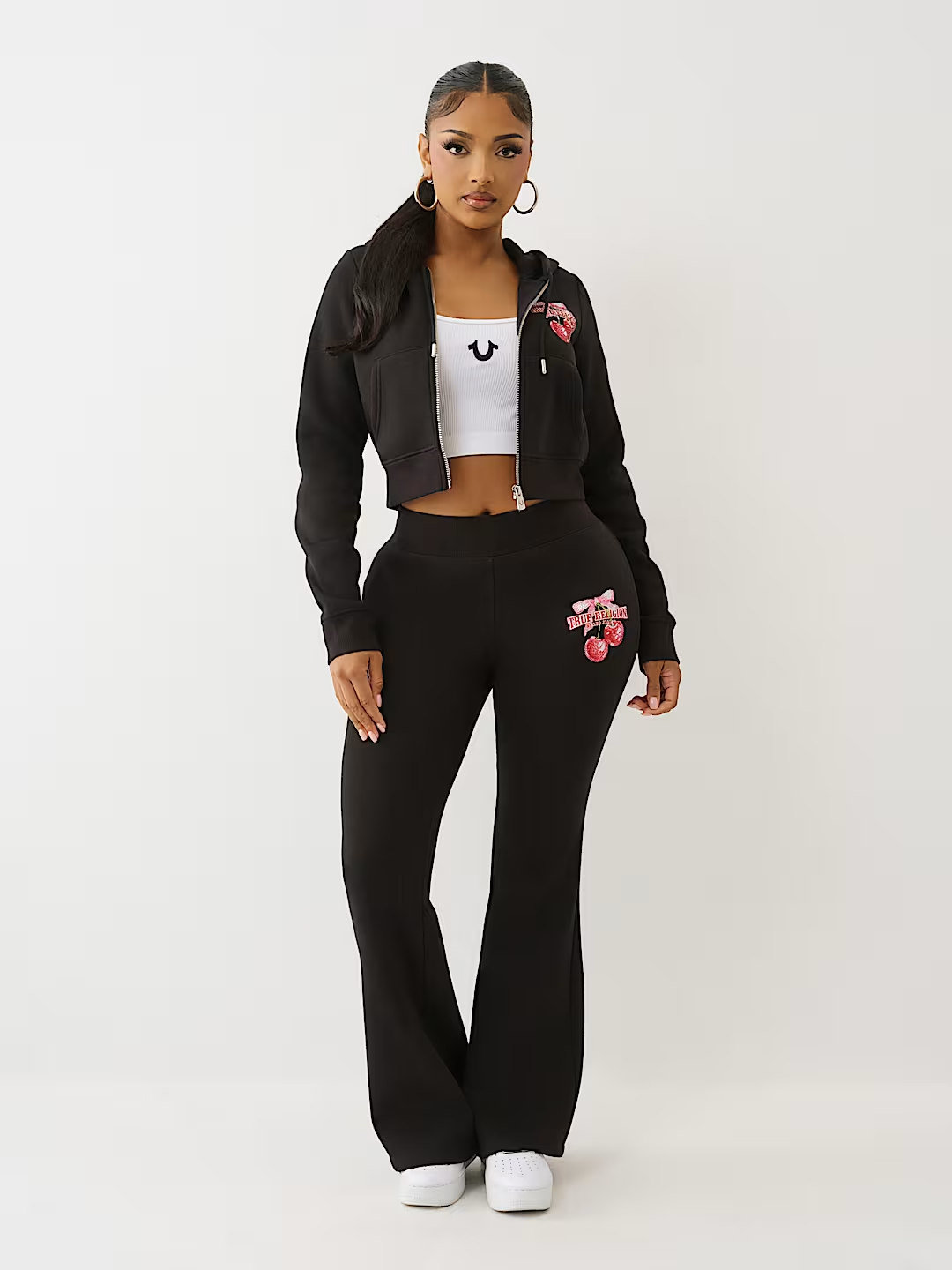
When looking at the performance aspect, comfort becomes the defining feature of this article of clothing. It is made of material resembling fleece, not denim, making its wearability longer.
While it does have some structure because of the boot cuts, it does not come with the authority of True Religion jeans.
Conclusion: Best suited for casual wear and traveling.
Features:
Performance & Fit:
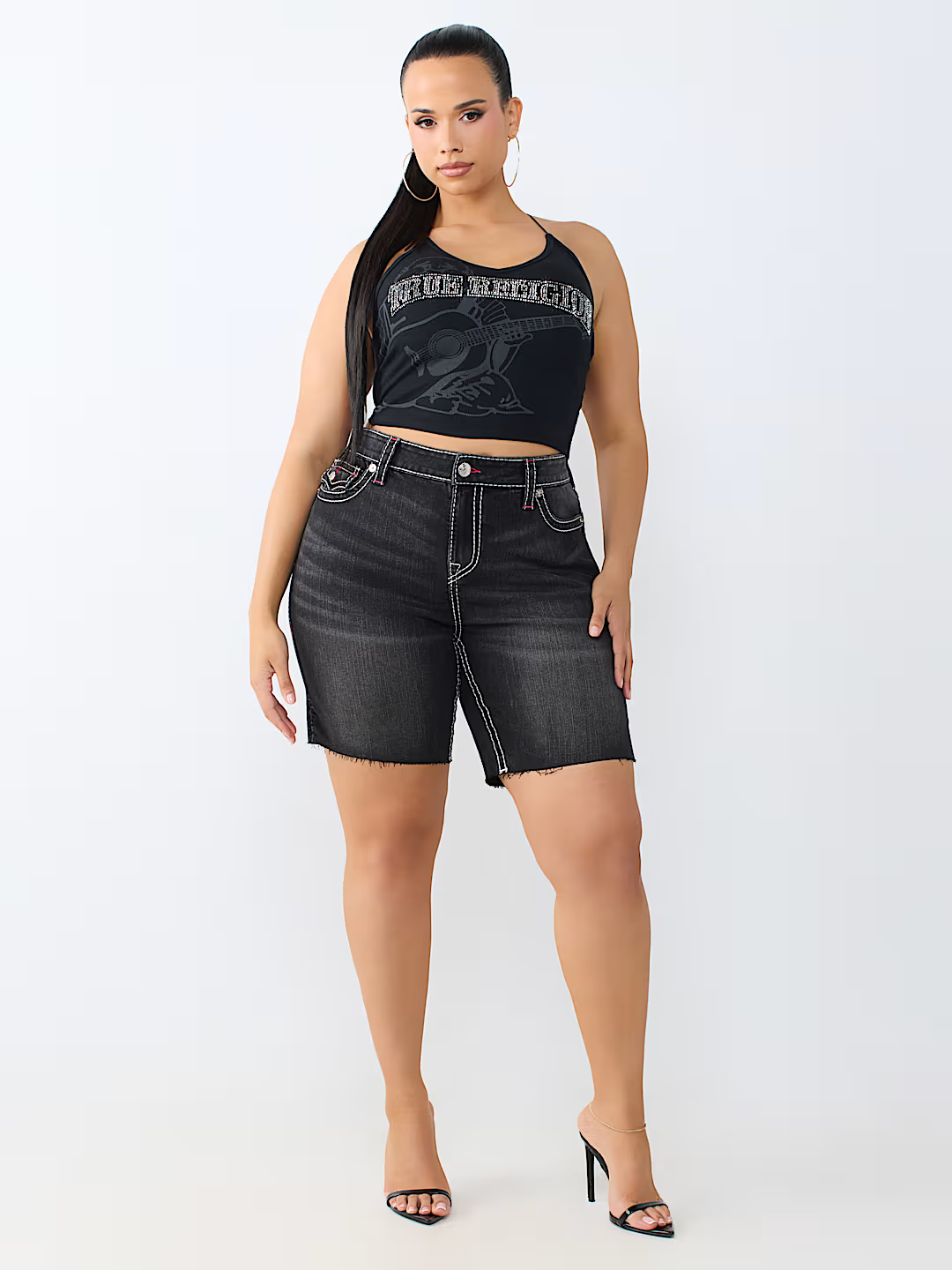
The fit is one of its strongest points. It balances structure with comfort, particularly around the waist and hips. The flap detailing remains a strong visual identity marker.
However, the heavier stitching can feel slightly exaggerated for users preferring minimal design.
Conclusion: A strong option for those who want bold True Religion identity in a more modest silhouette.

Features:
Performance & Fit:
Extremely comfortable, but not a performance denim piece. It’s built for lounging rather than structured styling. The durability is acceptable, but not comparable to True Religion jeans.
Conclusion: Good for relaxed home wear, not for premium denim styling expectations.
Features:
Performance & Fit:
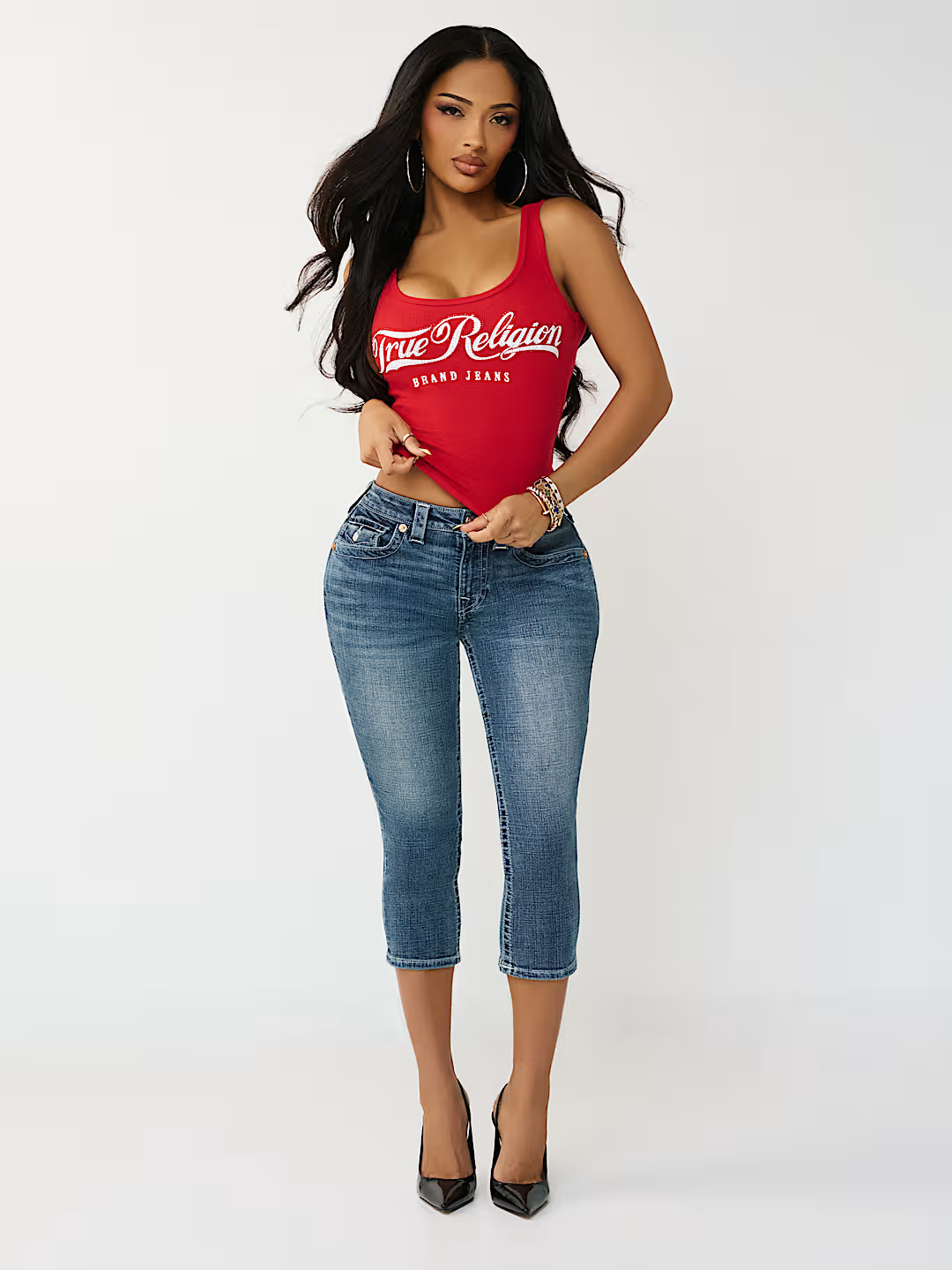
One of the more well-balanced jeans styles. Offers shaping without the squeeze factor. Stretchable material facilitates easy movement.
The capri length, however, is somewhat restrictive in styling versatility in 2026 trends.
Conclusion: Solid for curvy fit preference, but slightly outdated in silhouette trend direction.
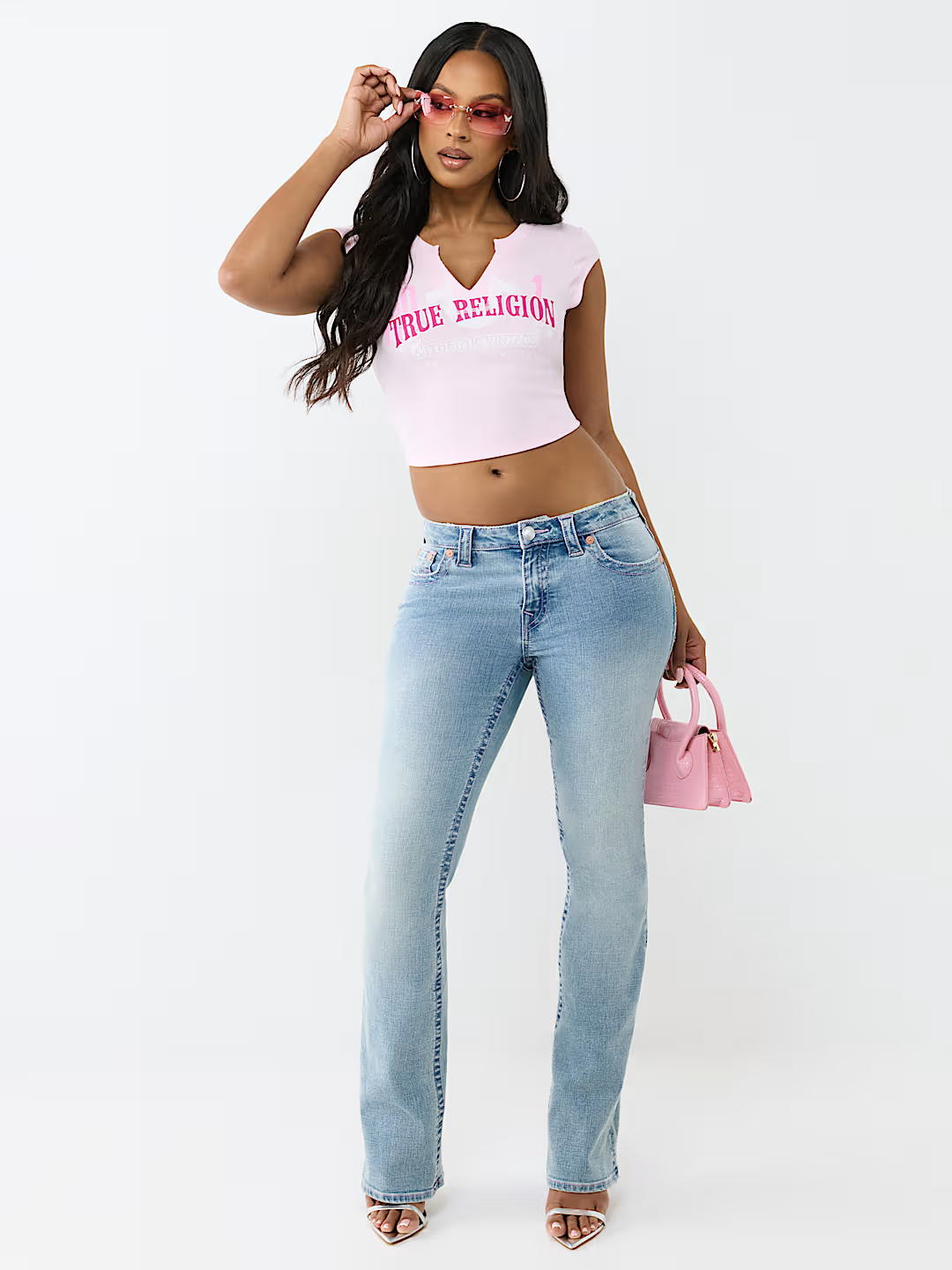
Features:
Performance & Fit:
The performance of this jean is quite good in terms of both comfort and fit. The bootcut is more contemporary as far as trend cycles go, particularly the resurgence of flare shapes.
Good quality of material used, with durable stitching.
Conclusion: Among the most relevant True Religion jeans in 2026.
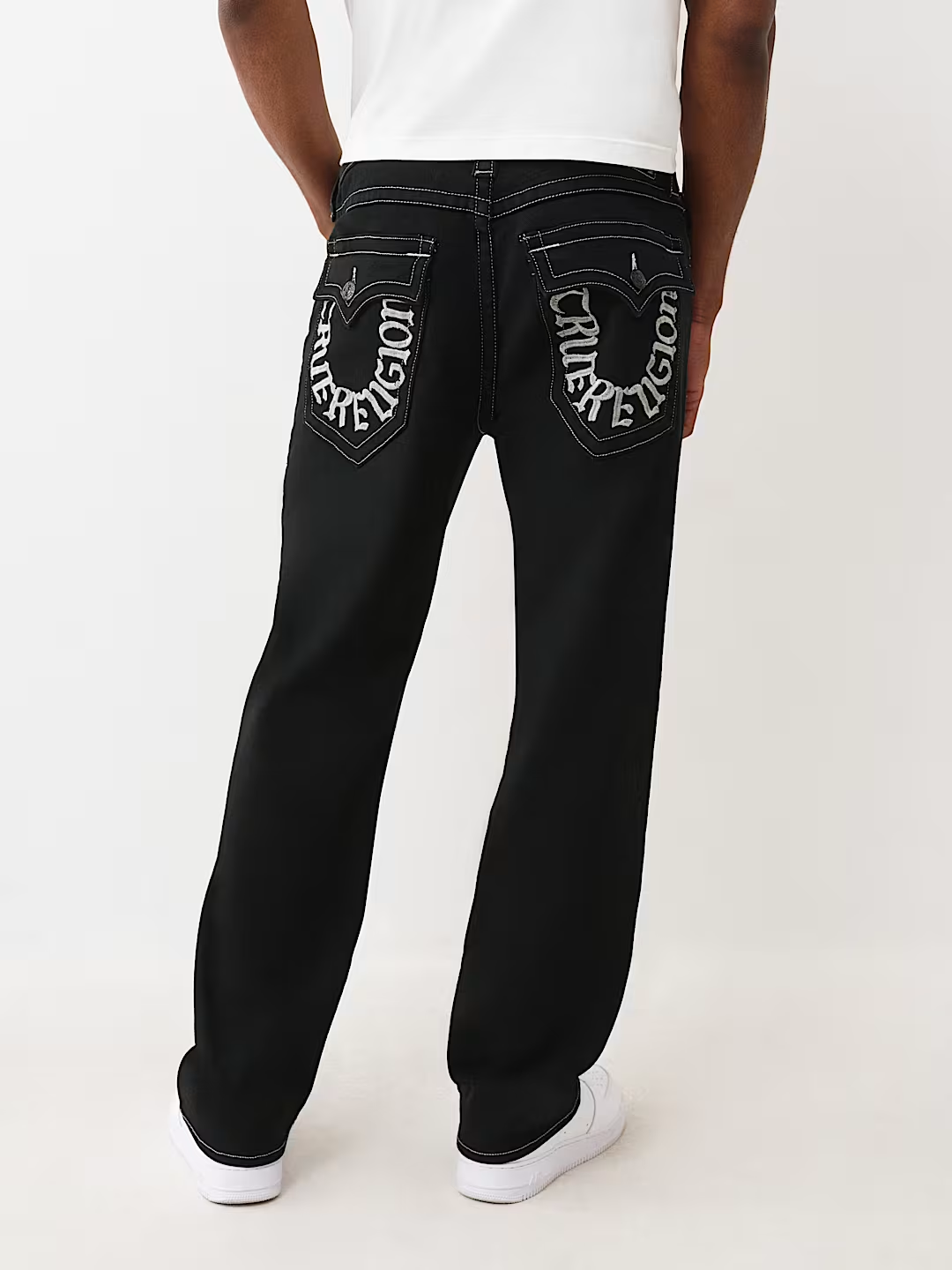
Features:
Performance & Fit:
This is where True Religion adapts well to modern fashion trends. The baggy cut feels intentional rather than sloppy, and the denim maintains structure despite looseness.
However, it may feel too heavy for users preferring lightweight denim.
Conclusion: Strong streetwear piece and highly aligned with current denim trends.
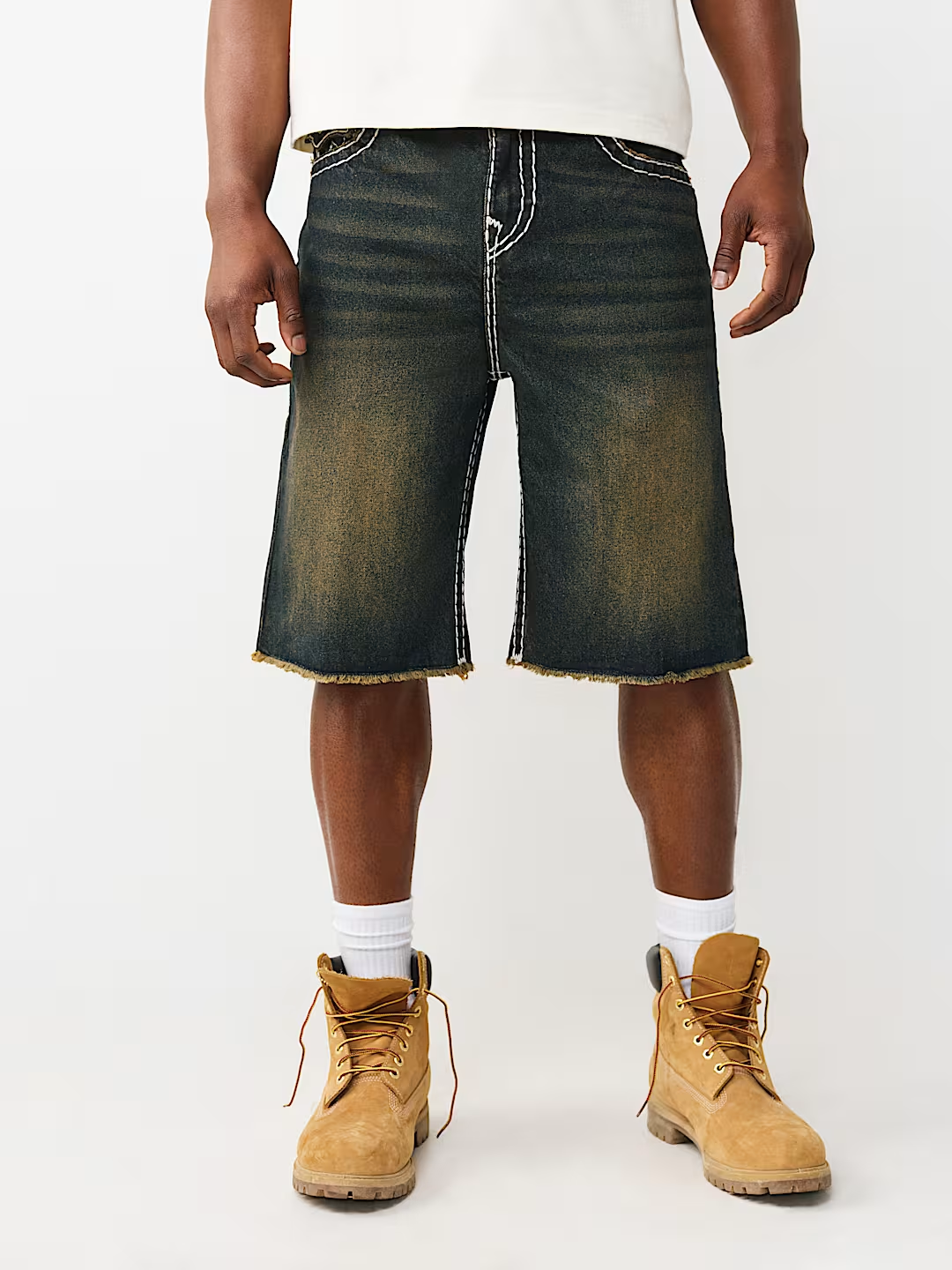
Features:
Performance & Fit:
This is a more expressive garment rather than a regular piece to have in your wardrobe. The fit of this piece is purposely exaggerated, corresponding to street style aesthetics and Y2K fashion style.
Frayed hems can be worn out after time; however, this was intended by the designer.
Conclusion: Most appropriate for fashion styles rather than minimalist ones.
Is True Religion Legit?
Yes—True Religion is absolutely a legitimate and established fashion brand.
It is:
- A globally recognized denim label
- Sold through its official platform and major retail partners
- Known for consistent manufacturing standards in premium denim categories
However, legitimacy does not automatically equal value. The real question is whether the current pricing still aligns with performance expectations in 2026 fashion standards.
Is True Religion Worth It in 2026?
It depends on what you want.
- If you want statement denim with visible branding and bold stitching → yes
- If you want minimal, modern, understated luxury → probably not
- If you prioritize fit variety (baggy, curvy, relaxed) → strong yes
True Religion is no longer a “trend leader,” but it is still a niche identity brand with strong fit execution and visual appeal.
Customer Reviews
Across consumer feedback trends, True Religion is often described as:
- Highly durable in denim jeans specifically
- Visually distinctive and instantly recognizable
- Expensive compared to newer denim brands
- Better suited for fashion expression than minimal wardrobes
The most common perception is that consumers either love the style or hate the style; there is no middle ground.
Shipping Policy
For True Religion, shipping involves:
- Normal domestic shipping with tracking
- Express shipping services in certain areas
- Different delivery timeframes depending on volume of orders placed
- International shipping in some targeted locations
Time of delivery varies according to the chosen delivery option within certain regions.
Return Policy
- Returns allowed in specific period of time (normally 30 days)
- Goods should be unused and in perfect condition
- Some last purchase items may not be returned
- Refund will be issued following examination of goods
Privacy Policy
Privacy policy of True Religion is as follows:
- Use of customer information for order delivery and promotional marketing purposes
- Secured payment procedures
- Personal data protection policies as per regulations of certain regions
- Choice regarding promotional communications
FAQs:
Final Verdict: Is True Religion Worth It in 2026?
True Religion has long stopped competing as a high-end denims manufacturer – it now stands for statement denim with a distinct look.
If you want:
- Bold stitching
- Streetwear influence
- Unique fits like baggy, bootcut, and curvy denim
Then True Religion still delivers meaningful value.
However, if you are seeking:
- Minimal luxury denim
- Subtle branding
- High price-to-basic functionality ratio
Then the brand may feel overpriced in 2026.
Final Take:
True Religion is still worth it—but only for the right style identity. It is not universal denim anymore; it is expressive denim.